
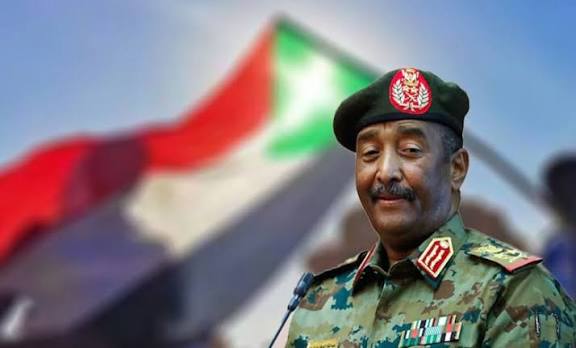
البرهان يكتب إطار حول أزمة السودان: السيادة والشرعية وإعادة الإعمار – A Framework on the Sudan Crisis: Sovereignty, Legitimacy, and Reconstruction
مقال مترجم باللغة العربية
إطار حول أزمة السودان: السيادة والشرعية وإعادة الإعمار
يواجه السودان اليوم ليس نزاعًا داخليًا فحسب، بل اختبارًا أوسع يتعلق بسيادة الدولة، وإحساس المجتمع بالوحدة، ومستقبل النظام الإقليمي. لا يمكن قراءة الأزمة التي نعيشها بمثابة مواجهة بين تشكيلين مسلحين فحسب. مع تضرر سلطة الدولة، وتآكل البنية الأمنية، وتعطّل الخدمات العامة، وتصاعد النقاشات حول تدخلات الفاعلين الخارجيين، تحوّلت الأزمة إلى “لحظة تأسيسية” ستشكّل مستقبل السودان السياسي.
ضمن هذا الإطار، أولوية الأولى هي الحفاظ على سلامة أراضي السودان واستمرارية الدولة. يجب أن تسود إرادة الشعب السوداني على أي منطق مليشياوي وعلى شبكات القوة المرتبطة بالمصالح الشخصية أو الروابط الخارجية. تقع على عاتق القوات المسلحة السودانية مسؤولية تاريخية ودستورية في منع الوقائع المُنجَزة التي قد تقود البلاد نحو التفك، واستعادة الحد الأدنى من البيئة الأمنية التي تجعل الانتقال المدني ممكنًا. هذا لا يعني جعل الحرب هدفًا في حد ذاتها، بل الاعتراف بأن الحل السياسي الدائم لا يمكن بناؤه دون إلغاء واقع “التمرد المسلح” الذي ولّد الحرب في المقام الأول.
لماذا نقول “الأمن أولًا”؟
المناشدات لوقف إطلاق النار والتفاوض في السودان مهمة بطبيعة الحال. ومع ذلك، في سياق احتجزت فيه السلاح السياسة رهينة على الأرض، يكتسب طاولة التفاوض معناها فقط عبر مجموعة من المبادئ.
في مستهل الحرب، كنا منفتحين بحسن نية على مبادرات تفاوضية لمنع تفك السودان ووقف إراقة الدماء، ولهذا السبب شاركنا في المحادثات في جدة. ومع ذلك، لكي تؤتي جهود حسن النية ثمارها، هناك شرط أساسي: يجب على التشكيلات المسلحة التخلي عن أي ادعاء بالسيادة الموازية تجاه سلطة الدولة الشرعية.
حتى اليوم، لم يتغير جوهر شروطنا: الانسحاب من المناطق المحتلة، وإخراج الأسلحة الثقيلة من المعادلة، وانهاء أي مركز قوة منفصل يعمل خارج سلسلة قيادة الدولة. من دون هذه الشروط، لا يمكن أن يصبح وقف إطلاق النار أكثر من توقّف مؤقت؛ فهو يجمّد الصراع لكنه لا يحله. هدفنا ليس إدارة الصراع، بل إعادة السودان إلى مسار الدولة المؤسسية.
قضية التدخل الخارجي والحسابات الإقليمية
لا يمكن إنكار أثر شبكات الدعم الخارجي في إطالة أمد أزمة السودان ورفع كلفتها. موقف السودان واضح: السودان للسودانيين. يجب ألا تُشكّل الحلول بمعادلات مفروضة خارجيًا، بل عبر حوار سوداني-سوداني وأولويات وطنية.
في هذا السياق، تعزّزت قراءتنا بأن بعض الفاعلين الخارجيين دعموا قوات الدعم السريع على مستويات مختلفة بالواقع على الأرض وبما توفّره لنا المعطيات. ما دام الدعم الخارجي مستمرًا، يُغذّي اقتصاد الحرب، ويصعّب إنهاء الحرب، ويؤخّر إصلاح النسيج الاجتماعي. لا يمكن تحويل الأمن القومي السوداني إلى “خط ناقل” للتنافسات الإقليمية.
المأساة الإنسانية: الوجه الأثقل للأزمة
يدفع المدنيون الثمن الأكبر في هذه الحرب. نزح الملايين، تدهورت المدن، انهار البُنى التحتية، وتوقفت الخدمات الأساسية. تشير البيانات الدولية إلى أن عدد الأشخاص الذين أُجبروا على النزوح منذ اندلاع الصراع بلغ عشرات الملايين. تُظهر هذه الصورة أن السودان لا يمر بأزمة أمنية فحسب، بل بأزمة تنموية وأزمة قدرة دولة.
لهذا السبب، “الدبلوماسية الإنسانية” ليست شعارًا لدينا، بل ضرورة: ضمان الوصول الإنساني، واستعادة خدمات الصحة، وحماية النازحين، وجعل منظومات التعليم والغذاء تعمل مرة أخرى. تلعب المبادرات المحلية وشبكات المتطوعين التي تُسهِم في صمود المجتمع أيضًا دورًا حيويًا في هذه العملية؛ والحفاظ على هذه القدرة شرط مسبق لإعادة إعمار السودان.
الشراكة الاستراتيجية مع تركيا: أفق ما بعد الحرب
كما أكدت خلال تحركاتي في أنقرة، العلاقات بين تركيا والسودان تاريخية ومتجذرة في الأخوة. إبقاء تركيا لقضية السودان على جدول الأعمال الدولي وإظهارها التضامن مع الشعب السوداني موقف تُقدّر أهميته أكثر في الأوقات الصعبة.
الفترة المقبلة ليست فقط عن وقف القتال: إنها أيضًا فترة إعادة إعمار السودان. ستشمل هذه الإعادة نطاقًا واسعًا من المجالات، من البُنى التحتية إلى الطاقة، ومن الزراعة إلى الموانئ، ومن الصحة والتعدين إلى التعليم. توفر القدرة المؤسسية لتركيا، وديناميكية قطاعها الخاص، وخبرتها العملية أساسًا ذا معنى للشراكة في تعافي السودان. لهذا نفكّر في خطوات تيسيرية مثل تحسين نظام التأشيرات لرجال الأعمال التي قد تفتح المجال للاستثمار والتجارة.
النظام الإقليمي ومبدأ السيادة: مثال أرض الصومال
أخيرًا، نرى أن الخطوات التي تقوّض مبدأ السيادة وسلامة الأراضي في منطقتنا تولّد عدم استقرار على المدى الطويل. النقاشات التي تبدأ في مكان عبر “الاعتراف” يمكن أن تتحول إلى سوابق تشجع الانفصال في جغرافيات أخرى. أعتقد أن مثل هذه التطورات قد تؤثر ليس على بلد واحد فحسب، بل على التوازن الإقليمي بأسره.
هدف السودان واضح: إعادة تأسيس سلطة الدولة الشرعية، ضمان حماية المدنيين، والانتقال نحو عملية سياسية شاملة على أساس آمن. التعاون مع الدول الصديقة مهم في هذه العملية، ومع ذلك، ستكون بوصلة الحل سيادة السودان والمستقبل المشترك للشعب السوداني.
في هذا السياق، آمل أن تكون هذه المقالة بمثابة تمهيد لعدد حول تركيا-السودان سينشر في مجلتنا. أثق أن المنظور المعبر عنه هنا—الذي يركّز على سيادة السودان، وسلامة أراضيه، والتماسك الاجتماعي، وإعادة الإعمار—سيقدّم أرضية فكرية مشتركة للأوساط الأكاديمية وصانعي السياسات والممارسين على حد سواء، ويساهم في نقاش بناء وحلول مستدامة. أنا واثق بأن علاقات تركيا والسودان، المشكّلة بروابط تاريخية واحترام متبادل وتضامن، ستتعمق أكثر في الفترة المقبلة وتتطور نحو مستوى أعلى من التعاون الاستراتيجي. أملُّ أن يساعد هذا العدد ليس فقط في إيضاح تعقيدات أزمات اليوم، بل أيضًا في تقديم مساهمة متواضعة لبناء مستقبل أكثر استقرارًا وعدالةً ومشتركًا للسودان والمنطقة الأوسع.
A Framework on the Sudan Crisis: Sovereignty, Legitimacy, and Reconstruction
Sudan today is facing not only an internal conflict, but also a broader test concerning state sovereignty, the society’s sense of unity, and the future of the regional order. The crisis we are experiencing cannot be read merely as a confrontation between two armed forma tions. As state authority has been damaged, the se cunty architecture has eroded, public services have been disrupted, and debates over external actors interventions have deepened, the crisis has evolved into a “foundational moment that will shape Sudan’s political future.
Within this framework, my first priority is the pres envation of Sudan’s territorial integrity and the con tinuity of the state. The will of the Sudanese people must prevail over any militia logic and over networks of power connected to personal interests or external ties. The historical and constitutional responsibility of the Sudanese Armed Forces is to prevent faits accom plis that could drive the country toward fragmenta tion and to restore the minimum security environment that can make a civilian transition possible. This is not to make war an end in itself, it is to recognize that a lasting political solution cannot be built without elimi nating the reality of “armed rebellion that generated the war in the first place.
Why do we say “security first”?
Calls for a ceasefire and negotiations in Sudan are, of course, important. Yet in a context where the gun has taken politics hostage on the ground, a negotiating table gains meaning only through certain principles.
At the outset of the war, we were open in good faith to negotiation initiatives in order to prevent Sudan’s fragmentation and to stop the bloodshed, for this rea son, we participated in the talks in Jeddah. However, for good-faith efforts to yield results, there is a basic condition: armed formations must abandon any claim. to parallel sovereignty vis-à-vis the state’s legitimate authority,
Even today, the essence of our conditions has not changed: withdrawal from occupied areas, the re moval of heavy weapons from the equation, and the termination of any separate power center operating outside the state’s chain of command. Without these conditions, a ceasefire cannot become more than a temporary pause; it freezes the conflict but does not resolve it. Our aim is not to manage the conflict, but to return Sudan to the line of an institutional state.
The Issue of External interference and Regional Calculations
It is impossible to deny the impact of external support networks in prolonging the Sudan crisis and increas ing its cost. Sudan’s position is clear: Sudan belongs to the Sudanese. A solution must not be shaped by an externally imposed equation, but by Sudanese-Suda-nese dialogue and national priorities.
in this context, our assessment that certain exter nal actors have been supporting the Rapid Support Forces (RSF) at various levels has been reinforced by realities on the ground and by the findings at our dis posal. As long as external support continues, the war economy is nourished, ending the war becomes more difficult, and the repair of the social fabric is delayed. Sudan’s national security cannot be turned into a “car rier line” for regional rivalries.
The Humanitarian Catastrophe: The Heaviest Face of the Crisis
Civilians are paying the highest price of this war. Millions have been displaced, cities have been worm down, infrastructure has collapsed, and essential ser
vices have come to a standstill, International data in-dicate that the number of people forcibly displaced since the outbreak of the conflict has reached into the tens of millions. This picture shows that Sudan is not only undergoing a security crisis, but also a develop ment and state-capacity crisis.
For this reason, “humanitarian diplomacy is not a slo gan for us, but a necessity: ensuring humanitarian ac cess, restoring health services, protecting displaced persons, and making education and food systems. functional again, Local initiatives and volunteer net-works that sustain social resilience also play a vital role in this process; preserving this capacity is a pre-condition for Sudan’s reconstruction.
Strategic Partnership With Türkiye: The Post-War Horizon
As I emphasized during my engagements in Ankara. relations between Türkiye and Sudan are historical and rooted in fraternity. Türkiye’s keeping the Sudan issue on the international agenda and demonstrat ing solidarity with the Sudanese people is a stance whose value is understood even more clearly in dif-ficult times.
The period ahead is not only about the cessation of fighting: it is also Sudan’s reconstruction period. This reconstruction will encompass a very wide range of areas, from infrastructure to energy, from agriculture to ports, and from health and mining to education. Türkiye’s institutional capacity, private-sector dy namism, and experience working in the field offer a meaningful basis for partnership in Sudan’s recovery. This is why we are considering facilitative steps such as improvements in the visa regime for businesspeo ple that would open the way for investment and trade.
Regional Order and The Principle of Sovereignty: The Somaliland Example
Finally, we observe that steps which erode the prin-ciple of sovereignty and territorial integrity in our re-gion generate instability in the long term. Debates that begin in one place through “recognition can turn into precedents that encourage separatism in other geographies. I believe such developments may affect not only one country, but the entire regional balance.
Sudan’s objective is clear: to re-establish the state’s legitimate authority, ensure the protection of civil-lans, and move toward an inclusive political process on a secure basis. Cooperation with friendly countries is important in this process, however, the compass of the solution will be Sudan’s sovereignty and the shared future of the Sudanese people.
In this context. I hope that this piece will serve as a foreword to the Turkiye-Sudan themed issue to be published in our journal. I trust that the perspective articulated here-centered on Sudan’s sovereignty. territorial integrity, social cohesion, and reconstruc-tion-will provide a shared intellectual ground for ac ademic circles, policymakers, and practitioners alike, and contribute to constructive debate and sustaina-ble solutions. I am firmly confident that Türkiye-Sudan relations, shaped by historical ties, mutual respect, and solidarity, will deepen further in the period ahead and evolve toward a more advanced level of strategic cooperation. It is my sincere hope that this issue will not only help illuminate the complexities of today’s crises, but also offer a modest contribution to the con-struction of a more stable, just, and shared future for Sudan and the wider region.